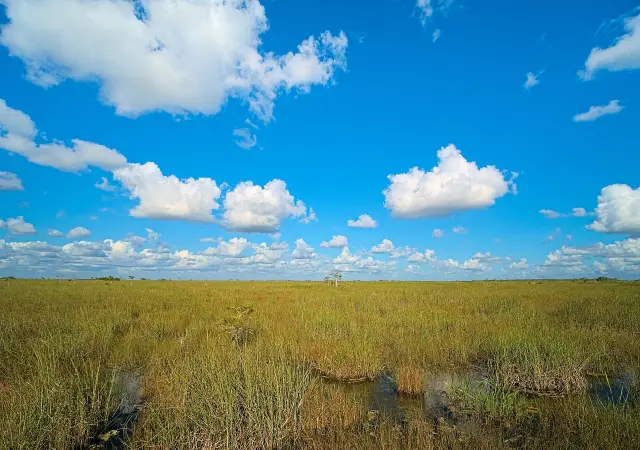
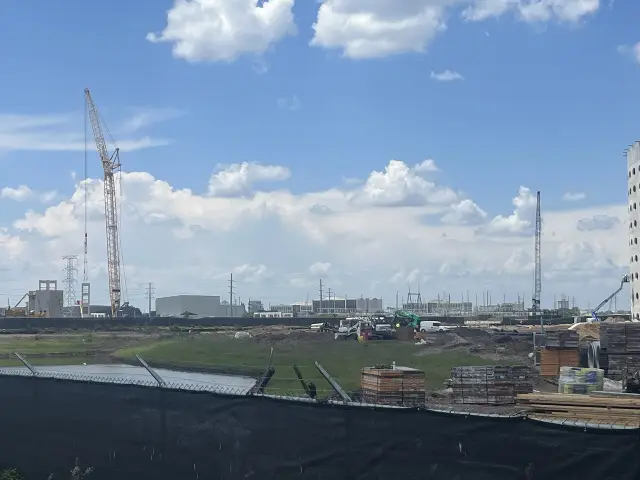
Short answer: The Richard T. Paul Alafia Banks Sanctuary is a 92-acre FWC Critical Wildlife Area made up of Bird Island and Sunken Island at the mouth of the Alafia River in Hillsborough Bay. Both islands and the water buffer around them are closed to the public year-round. Port Tampa Bay and Mosaic own the islands, Audubon Florida manages the colony, and the port counts 17 nesting waterbird species there.
Last verified: October 18, 2026, against the sources listed at the end of this page.
What is the Alafia Bank Bird Sanctuary?
The Alafia Bank Bird Sanctuary is a 92-acre Critical Wildlife Area on two islands at the mouth of the Alafia River in Hillsborough Bay, Hillsborough County.
The Florida Fish and Wildlife Conservation Commission lists the Alafia Banks Critical Wildlife Area as 92 acres in Hillsborough County, closed year-round, made up of two islands known locally as Bird Island and Sunken Island. FWC states that the area is part of the Richard T. Paul Alafia Banks Sanctuary, managed by Audubon Florida, and that it hosts thousands of birds during the nesting season and throughout the winter. Its focal species are herons, egrets, ibis, roseate spoonbill, brown pelican and American oystercatcher.
Port Tampa Bay describes the sanctuary in February 2026 as two former dredge disposal islands, Bird Island and Sunken Island, at the mouth of the Alafia River in Tampa Bay, owned by Port Tampa Bay and Mosaic Co. and managed in partnership with Audubon Florida.
| Item | Detail | Source |
|---|---|---|
| Area | 92 acres, Hillsborough County | FWC |
| Islands | Bird Island and Sunken Island | FWC |
| Public access | Closed year-round, islands and water buffer | FWC |
| Owners | Port Tampa Bay and Mosaic Co. | Port Tampa Bay |
| Colony manager | Audubon Florida | FWC |
| Nesting season | April 1 through August 31 | Port Tampa Bay |
Who owns and manages the Alafia Bank islands?
Port Tampa Bay and Mosaic own the Alafia Bank islands, and Audubon Florida leases and manages them as a nesting colony with FWC designating the closed area.
Audubon Florida describes the Richard T. Paul Alafia Bank Critical Wildlife Area as leased from and managed in collaboration with the Mosaic Company and Port Tampa Bay, and states that its Florida Coastal Islands Sanctuaries staff have managed the island since the 1930s as a nesting island for Brown Pelicans, wading birds and American Oystercatchers.
The port also owns two other dredge disposal islands in Hillsborough Bay, islands 2D and 3D. Its 2017 nesting season notice states that those two islands and the Alafia Bank sanctuary have been recognized collectively by BirdLife International and the National Audubon Society for their global significance as bird nesting areas, and that protecting the birds on them has become a shared project between the port, Audubon Florida and state and federal agencies.
FWC adds that financial support for the Alafia Banks in-water markers came from the Fish and Wildlife Foundation of Florida through the Conserve Wildlife Tag grant program, which funds the markers that outline the closed water around the Hillsborough Bay colony.
Which birds nest at Alafia Bank?
Port Tampa Bay counts 17 species of nesting waterbirds at the sanctuary, including five state-threatened species, with roseate spoonbills the best known.
In a June 2022 report, Audubon Florida said its coastal biologist counted nearly 100 Roseate Spoonbill chicks at Alafia Bank, the young of approximately 50 to 75 pairs, which its sanctuary manager called an average success year for the area, although the birds had nested unusually late in the season. The same survey noted Reddish Egret chicks and young American Oystercatchers. Audubon added that successful spoonbill breeding in the Tampa Bay region matters to the species in Florida because sea level rise has hampered nesting in other areas, including Florida Bay.
Birds also shift between Hillsborough Bay islands. Audubon reported in July 2021 that a majority of the White Ibis, along with Little Blue Herons, Snowy Egrets, Tricolored Herons and a couple of pairs of Reddish Egrets, nested that year on nearby Fantasy Island, a public use area owned and managed by Port Tampa Bay and normally open to boaters. Working with the port and FWC, Audubon staff posted the island as a nesting area for the season.
| Species | Florida status (FWC) | Hillsborough Bay record (Audubon) |
|---|---|---|
| Roseate spoonbill | State-designated Threatened (FWC) | Nearly 100 chicks at Alafia Bank, 2022 (Audubon) |
| Reddish egret | State-designated Threatened (FWC) | Chicks at Alafia Bank, 2022 (Audubon) |
| Little blue heron | State-designated Threatened (FWC) | Nested on Fantasy Island, 2021 (Audubon) |
| Tricolored heron | State-designated Threatened (FWC) | Nested on Fantasy Island, 2021 (Audubon) |
The FWC roseate spoonbill profile explains why Alafia Bank suits the species: mangrove islands and occasionally dredge-spoil islands are its preferred nesting habitat, and in Florida it is found in Florida Bay, Tampa Bay and Brevard County.
What has spoonbill banding at Alafia Bank shown?
Audubon banding showed that a spoonbill tagged as a chick in Tampa Bay in 2004 returned to Alafia Bank 16 years later, which Audubon called the second oldest spoonbill ever recorded.
Audubon Florida reported in March 2020 that in 2004 the research director of Audubon's Everglades Science Center and the Florida Coastal Islands Sanctuaries team in Tampa Bay weighed and measured a Roseate Spoonbill chick and gave it a red metal leg tag with the digits 43. Sixteen years later the same bird was spotted where it originally hatched, Alafia Bank Bird Sanctuary, and Audubon described Spoonbill 43 as the second oldest spoonbill ever recorded.
The Alafia Bank record is part of a larger study. Audubon states that more than 3,000 spoonbills have been banded, generating about 1,600 reported resightings, many of them duplicates, and that its Everglades Science Center research shows spoonbill nests shifting northward to escape habitat destruction in the Keys and poorly timed water releases in the Everglades, which gives Tampa Bay colonies added weight.
What rules protect the Hillsborough Bay colony?
State rule bars dogs, vehicles, vessels and fishing inside posted Critical Wildlife Areas, and the Alafia Bank islands and their water buffer are closed year-round.
FWC's Critical Wildlife Area program page explains the rules behind the Alafia Bank closure. CWAs are set up under the Florida Administrative Code at sites with documented human disturbance, because wading birds and shorebirds flush from their nests if people approach too closely, exposing eggs and chicks to predators and sun. It cites rule 68A-19.005 F.A.C., which prohibits dogs, vehicles, vessels and fishing within areas posted Critical Wildlife Area, Closed to Public Access, and notes that each designation must be supported by the landowner.
The Port Tampa Bay 2017 notice records how the Alafia Bank designation grew. It says the port issued a letter of support on December 28, 2016 for modifying the CWA to include the eastern island known as Sunken Island, and that FWC officially approved the modified designation, with a 100-foot protection buffer and year-round no entry, in November 2016. The two dates in the port's notice are out of order, and the notice does not explain the gap. It adds that birds nesting on the Alafia Bank and port islands are protected under the Migratory Bird Treaty Act of 1918 and the Florida Threatened and Endangered Species Act of 1977.
What habitat work has been done at Alafia Bank?
Port Tampa Bay announced on February 17, 2026 that it had completed habitat restoration at the sanctuary to stabilize the islands and add nesting space.
The port announcement states that the work stabilized island features, restored suitable nesting surfaces and strengthened resilience to erosion, storms and sea-level rise, benefiting 17 species of nesting waterbirds, including five state-threatened species. The port describes the islands as isolated, predator-resistant nesting sites, which is what makes them especially valuable for colonial nesting birds in Tampa Bay.
Earlier work set the stage. In its 2022 survey report, Audubon Florida credited recent efforts to reduce erosion and restore native plant species at Alafia Bank with creating more nesting habitat for spoonbills, egrets and oystercatchers.
Last verified: October 18, 2026, by re-reading the FWC Alafia Banks and Critical Wildlife Area pages and its spoonbill, reddish egret, little blue heron and tricolored heron profiles, the Port Tampa Bay 2017 and 2026 notices, and three Audubon Florida reports on the colony.
Frequently asked questions
Can people visit the Alafia Bank Bird Sanctuary?
No. FWC keeps both islands and the surrounding water buffer closed to public access year-round, and state rule bars vessels, dogs and fishing inside posted Critical Wildlife Areas.
When do birds nest at Alafia Bank?
Port Tampa Bay lists the official bird nesting season in Tampa Bay as April 1 through August 31 each year. FWC adds that the colony hosts thousands of birds in the nesting season and through the winter.
Who owns and manages the Alafia Bank islands?
Port Tampa Bay and Mosaic Co. own the islands, according to the port. Audubon Florida leases and manages the colony, and FWC designates it as the Alafia Banks Critical Wildlife Area.
How many bird species nest at Alafia Bank?
Port Tampa Bay reported in February 2026 that its restoration work benefited 17 species of nesting waterbirds at the sanctuary, including five state-threatened species.
What is Spoonbill 43?
Spoonbill 43 is a Roseate Spoonbill banded as a chick in Tampa Bay in 2004 and seen back at Alafia Bank in 2020. Audubon Florida described it as the second oldest spoonbill ever recorded.
Sources
- Alafia Banks Critical Wildlife Area (FWC) https://myfwc.com/conservation/terrestrial/cwa/alafia/ Used for: 92 acres, Hillsborough, year-round closure, focal species, islands, Audubon management, markers funding
- Critical Wildlife Areas (FWC) https://myfwc.com/conservation/terrestrial/cwa/ Used for: purpose, 68A-19.005 F.A.C. prohibitions, landowner support
- Roseate Spoonbill species profile (FWC) https://myfwc.com/wildlifehabitats/profiles/birds/waterbirds/roseate-spoonbill/ Used for: State-designated Threatened, nesting habitat, Tampa Bay range
- Reddish Egret species profile (FWC) https://myfwc.com/wildlifehabitats/profiles/birds/waterbirds/reddish-egret/ Used for: State-designated Threatened
- Little Blue Heron species profile (FWC) https://myfwc.com/wildlifehabitats/profiles/birds/waterbirds/little-blue-heron/ Used for: State-designated Threatened
- Tricolored Heron species profile (FWC) https://myfwc.com/wildlifehabitats/profiles/birds/waterbirds/tricolored-heron/ Used for: State-designated Threatened
- 2017 Migratory Bird Nesting Season (Port Tampa Bay) https://www.porttb.com/?p=11668 Used for: April 1 to Aug 31, islands 2D and 3D, BirdLife/Audubon recognition, Dec 28 2016 letter, Nov 2016 approval, buffer, laws
- Port Tampa Bay Project Restores Nesting Habitat for Protected Birds (Feb. 17, 2026) https://www.porttb.com/?p=16309 Used for: ownership, dredge disposal islands, restoration results, 17 species, five threatened
- Audubon Partners with Port Tampa Bay to Protect New Nesting Sites (Audubon Florida, July 30, 2021) https://www.audubon.org/florida/news/audubon-partners-port-tampa-bay-protect-new-nesting-sites Used for: lease and co-management, managed since 1930s, Fantasy Island 2021
- Roseate Spoonbill Chicks Ready to Fledge at Alafia Bank Bird Sanctuary (Audubon Florida, June 2, 2022) https://www.audubon.org/florida/news/roseate-spoonbill-chicks-ready-fledge-alafia-bank-bird-sanctuary Used for: 2022 spoonbill count, reddish egret, oystercatchers, erosion work, Florida Bay
- Second Oldest Spoonbill Ever Recorded Spotted in Alafia Bank Bird Sanctuary (Audubon Florida, March 6, 2020) https://www.audubon.org/florida/news/second-oldest-spoonbill-ever-recorded-spotted-alafia-bank-bird-sanctuary Used for: Spoonbill 43, banding totals, northward shift
How this page was made
Digital Towns uses AI assistance to research and write its guides, and every page is only as good as the sources it cites. Our goal is the most accurate, useful local information possible.
This page was fact-checked twice before publishing.
If you see an error, or anything you can show is false, tell us right away and we will take a third look.
Report an error
Thank you. We'll take a third look and correct the page if it's wrong.