Short answer: The shellfish aquaculture near Sebastian is hard clam farming on state-leased bottom in the Indian River Lagoon. Vero News reported 26 leases in Indian River County in 2015, in a state-approved area east of the channel across from Sebastian, supplying a Sebastian processor. The Florida Department of Agriculture and Consumer Services leases the parcels for 10-year renewable terms.
Last verified: October 10, 2026, against the sources listed at the end of this page.
What shellfish aquaculture operates in the lagoon near Sebastian?
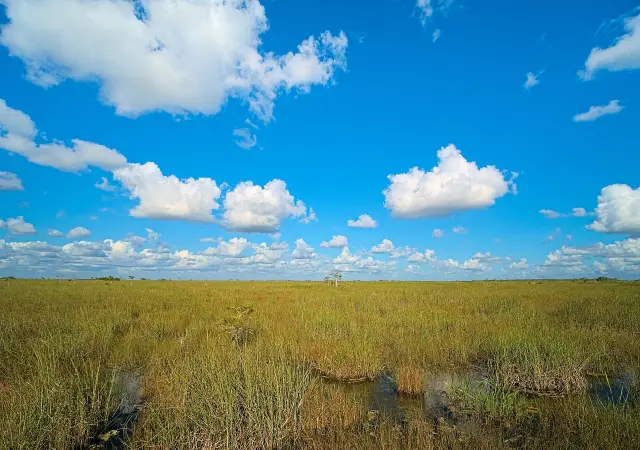
The shellfish aquaculture in the Indian River Lagoon near Sebastian is hard clam farming on small parcels of state-owned lagoon bottom leased across the river from the Sebastian waterfront.
Growers raise hard clams on small parcels of state-owned lagoon bottom leased from the State of Florida, in a lease area across the Indian River Lagoon from the Sebastian waterfront. In July 2015 Vero News reported 26 leases in Indian River County, in the state-approved location east of the channel across from Sebastian, with a clam processing operation in Sebastian receiving clams from local farmers and shipping them by air or tractor trailer to wholesale buyers across the U.S. and Canada.
The species is Mercenaria mercenaria, which UF/IFAS says dominates Florida shellfish aquaculture, the largest food-use aquaculture industry in the state. The leases near Sebastian are administered by the Florida Department of Agriculture and Consumer Services Division of Aquaculture, which leases coastal state submerged land, certifies shellfish processing facilities and classifies shellfish harvesting areas. UF/IFAS lists oysters and sunray venus clams as Florida's other farmed shellfish; the reporting on the Sebastian-area leases describes hard clams.
How did clam farming begin in the Indian River Lagoon?
Clam farming began in the Indian River Lagoon near Sebastian in the 1980s, when unreliable natural clam sets pushed harvesters to raise clams instead of digging wild ones.
Florida's clam farming started on this stretch of the Indian River. UF/IFAS states that the industry traces its beginnings to the Indian River Lagoon along the east-central coast, where unreliable sets of hard clams in the 1980s prompted harvesters to try aquaculture instead of fishing natural stocks, aided by research at Harbor Branch Oceanographic Institution. UF/IFAS adds that over three decades hard clam culture expanded from a fledgling industry centered on the Indian River Lagoon to one that supports over 300 growers in 10 or more coastal counties, valued at $20 million.
Sebastian was at the center of the boom. Vero News described the mid-80s to mid-90s as the years when Sebastian was a force to be reckoned in the clam industry, when millions of clams passed through local fish houses and Sebastian even had a cannery. After the net ban of 1995 hit commercial fishing on the river, the state ran a retraining program to turn fishermen into clam farmers, which Vero News said met with little success in the long run around Sebastian.
The lagoon also seeded the rest of the state. Florida Sea Grant reports that when the 1995 gill net ban left Cedar Key fishermen without work, the seed used to start the Cedar Key clam farms was grown from clams in the Indian River Lagoon. Cedar Key and the Big Bend now hold most of Florida's leases, while the Indian River County lease area is a fraction of its 1990s size.
How do the state clam leases near Sebastian work?
The Florida Department of Agriculture and Consumer Services leases Indian River Lagoon bottom near Sebastian to clam growers for 10-year renewable terms with annual rent.
| Measure | Figure | Source |
|---|---|---|
| Clam leases in Indian River County, east of the channel off Sebastian (2015) | 26 | Vero News, July 12, 2015 |
| Lease term | 10 years, renewable, annual rent | UF/IFAS |
| Designated lease areas statewide | 21 in 10 counties, including Brevard and Indian River | UF/IFAS |
| Shellfish leases statewide | 720, average just under 2 acres | UF/IFAS |
| Hard clam growers statewide | Over 300, industry valued at $20 million | UF/IFAS |
| Farmed clams bought for Indian River Lagoon restoration (2020) | 450,000 from 47 lease holders | Florida Sea Grant |
| Clams to be produced by the Whitney Laboratory program (2022 to 2026) | 39 million | UF Whitney Laboratory |
The lagoon bottom belongs to the state. According to the UF/IFAS lease guide, the FDACS Division of Aquaculture administers the shellfish aquaculture lease program; leases are a 10-year term and renewable, with an initial application and annual rental fees. In most counties individual leases are grouped into Aquaculture Use Zones, or high-density lease areas, and FDACS has designated 21 lease areas in 10 counties, including Brevard and Indian River, the two counties that meet at Sebastian Inlet.
The parcels are small. Statewide, UF/IFAS counts 720 shellfish leases with an average size just under 2 acres in 16 coastal counties, most of them in Levy, Franklin, Wakulla and Dixie counties on the Gulf. A member of one of Sebastian's old fishing families told Vero News in 2015 that the clamming leases across the river from Fisherman's Landing are 5-acre parcels. The FDACS aquaculture program describes the leasing system as making sovereignty submerged lands available to aquaculturists, and publishes a map of shellfish harvesting areas, aquaculture leases and processing facilities that covers the Indian River County parcels.
Water quality decides when clams can come out. FDACS classifies harvesting areas under the National Shellfish Sanitation Program, sampling for fecal coliform bacteria at over 1,200 stations in 38 harvesting areas covering 1.3 million acres. Its Atlantic office in Melbourne covers coastal waters from St. Lucie County north to the Georgia line, which takes in the Indian River Lagoon off Sebastian.
How is a Sebastian lagoon clam grown and sold?
A Sebastian lagoon clam starts as hatchery seed, grows out on a lease for 15 months to about two years, and ships mostly to out-of-state buyers.
Clams start in a nursery and finish on the lease. Vero News described seed clams grown from brood stock at a local nursery and hatchery, then planted by growers in the riverbed and covered with screen-like fabric to protect them until market size, a cycle of about two years from nursery to maturity for Sebastian growers. UF/IFAS describes the general Florida method: seed of about a quarter inch is stocked in polyester mesh bags staked to the lease bottom, and littleneck-sized clams are harvested after 15 to 18 months, then delivered to a certified shellfish wholesaler.
The market is mostly out of state. In 2015 the Sebastian processor shipped around 100 to 150 80-pound bushels a week in season, about 100,000 to 150,000 clams, to destinations including California, Colorado, Virginia, Idaho, North Carolina and Canada, with Florida buyers in Key West and on the Sebastian riverfront, Vero News reported. Harvest slows when summer heat arrives, and in 2015 clamming had largely stopped until September.
Why is the Sebastian clam industry smaller than it was?
The Sebastian clam industry shrank after the 2004 hurricanes, with growers and Florida Sea Grant also pointing to rising lagoon salinity, predators and overharvest.
Storms and a changing lagoon both played a part. A Sebastian grower told Vero News in 2015 that operators once grew 35 million clams on 50 leases north of the inlet, near Melbourne, and that Hurricanes Frances and Jeanne in 2004 ended large-scale commercial production. A fourth-generation member of a Sebastian fishing family said that widening the inlet pushed more ocean water into the Indian River Lagoon, raising salinity and drawing in predators such as oyster drills, small snails that can destroy a clam bed.
Florida Sea Grant reports that clam beds in the Indian River Lagoon have dwindled due to environmental stress and overharvest. The 2015 Vero News report also cited faster stormwater drainage, which sends runoff into the lagoon without the slower filtering that wetlands once provided around Sebastian.
How do lagoon clam farms support restoration near Sebastian?
Indian River Lagoon clam growers near Sebastian now also supply clams for state and university projects that put farmed clams back into the lagoon to filter water.
Farmed clams now go back into the lagoon as well as to market. In 2020 the Florida Sea Grant Clam Buyback Program used NOAA COVID-19 rapid-response funding to buy 450,000 oversized clams for ongoing shellfish restoration in the Indian River Lagoon, giving relief to 47 clam aquaculture lease holders. Volunteers moved the clams to experimental leases in the lagoon in fall 2020, and a February assessment found 68 percent had survived.
A larger program followed. The UF Whitney Laboratory for Marine Bioscience secured $2.2 million in 2022 from the Florida Fish and Wildlife Conservation Commission and the Indian River Lagoon National Estuary Program to restore clams to the lagoon until summer 2026, working with grower partners including Orchid Island Shellfish to produce 39 million clams. As that grant wraps up, the lab reports new funding from Brevard County, the Coastal Conservation Association and others for Indian River Lagoon clam work.
Sebastian's waterfront policy keeps room for the trade. The City of Sebastian bought its working waterfront with a Stan Mayfield Working Waterfronts Florida Forever grant, a program that funds land used by state-licensed commercial fishermen and aquaculturists. Florida Communities Trust awarded more than $3.1 million for the property, which now operates as Fisherman's Landing Sebastian on the Indian River Lagoon.
Frequently asked questions
Where are the clam leases near Sebastian?
Vero News reported in 2015 that Indian River County had 26 clam leases in a state-approved area east of the Intracoastal channel, across the Indian River Lagoon from the Sebastian waterfront. FDACS publishes a map of harvesting areas and lease parcels.
Who issues clam leases in the Indian River Lagoon?
The Florida Department of Agriculture and Consumer Services, Division of Aquaculture. Leases cover state-owned submerged land, run for 10 years, are renewable and carry annual rent. Indian River and Brevard counties both have designated lease areas, according to UF/IFAS.
How long does a farmed clam take to reach market in the lagoon?
UF/IFAS gives 15 to 18 months of growout for Florida littleneck clams after nursery. A Sebastian grower described about a two-year cycle from nursery to maturity in 2015, with seed planted in the Indian River Lagoon bottom under protective screen.
Did clam farming in Florida start near Sebastian?
UF/IFAS says Florida shellfish aquaculture traces its beginnings to the Indian River Lagoon, where 1980s clam shortages led harvesters to farming. Vero News called Sebastian a force in the clam industry from the mid-1980s to the mid-1990s.
Are lagoon clams used to clean the water?
Clams are filter feeders, and restoration programs place them in the Indian River Lagoon. Florida Sea Grant bought 450,000 farmed clams in 2020, and the UF Whitney Laboratory program funded in 2022 set out to produce 39 million clams with growers.
Sources
- Much-reduced clam industry hangs on in Sebastian (Vero News, July 12, 2015) https://veronews.info/?p=83988 Used for: Sebastian clam boom mid-1980s to mid-1990s, cannery, 1995 net ban retraining, 26 leases east of the channel, growing method, shipping, 2004 hurricanes, salinity
- About the Industry, Florida Shellfish Aquaculture Online Resource Guide (UF/IFAS) https://shellfish.ifas.ufl.edu/industry Used for: industry origin in the Indian River Lagoon in the 1980s, Harbor Branch research, statewide lease count and average size, growout method
- Acquiring a Lease, Florida Shellfish Aquaculture Online Resource Guide (UF/IFAS) https://shellfish.ifas.ufl.edu/getting-started/acquiring-a-lease Used for: FDACS lease program, 10-year term, Aquaculture Use Zones, lease areas in Brevard and Indian River counties
- Hard Clam Culture, Florida Shellfish Aquaculture Online Resource Guide (UF/IFAS) https://shellfish.ifas.ufl.edu/hard-clam-culture/ Used for: industry expansion from the Indian River Lagoon to 300 growers, $20 million
- 2020 Clam Buyback Project Helped Florida Farmers (Florida Sea Grant) https://www.flseagrant.org/2020-clam-buyback-project-helped-florida-farmers/ Used for: 450,000 clams bought for Indian River Lagoon restoration, 47 leaseholders, 68 percent survival, Cedar Key seed from the lagoon
- Indian River Lagoon Clam Restoration (UF Whitney Laboratory for Marine Bioscience) https://www.whitney.ufl.edu/conservation--sea-turtle-hospital/clams/ Used for: $2.2 million FWC and IRL National Estuary Program funding through summer 2026, 39 million clams, grower partners
- Division of Aquaculture (Florida Department of Agriculture and Consumer Services) https://www.fdacs.gov/Divisions-Offices/Aquaculture Used for: division duties: leasing submerged land, certifying processors, classifying harvesting areas
- Aquaculture (Florida Department of Agriculture and Consumer Services) https://www.fdacs.gov/Agriculture-Industry/Aquaculture Used for: sovereignty submerged land leasing program, harvesting area and lease map
- Shellfish Harvesting Area Classification (Florida Department of Agriculture and Consumer Services) https://www.fdacs.gov/Agriculture-Industry/Aquaculture/Shellfish-Harvesting-Area-Classification Used for: fecal coliform sampling, 38 harvesting areas, Atlantic district office in Melbourne covering St. Lucie County north
- Stan Mayfield Working Waterfront, City of Sebastian https://www.cityofsebastian.org/252/Stan-Mayfield-Working-Waterfront Used for: working waterfront grant eligibility for aquaculture, Fisherman's Landing Sebastian, $3.1 million Florida Forever award
How this page was made
Digital Towns uses AI assistance to research and write its guides, and every page is only as good as the sources it cites. Our goal is the most accurate, useful local information possible.
This page was fact-checked twice before publishing.
If you see an error, or anything you can show is false, tell us right away and we will take a third look.
Report an error
Thank you. We'll take a third look and correct the page if it's wrong.